

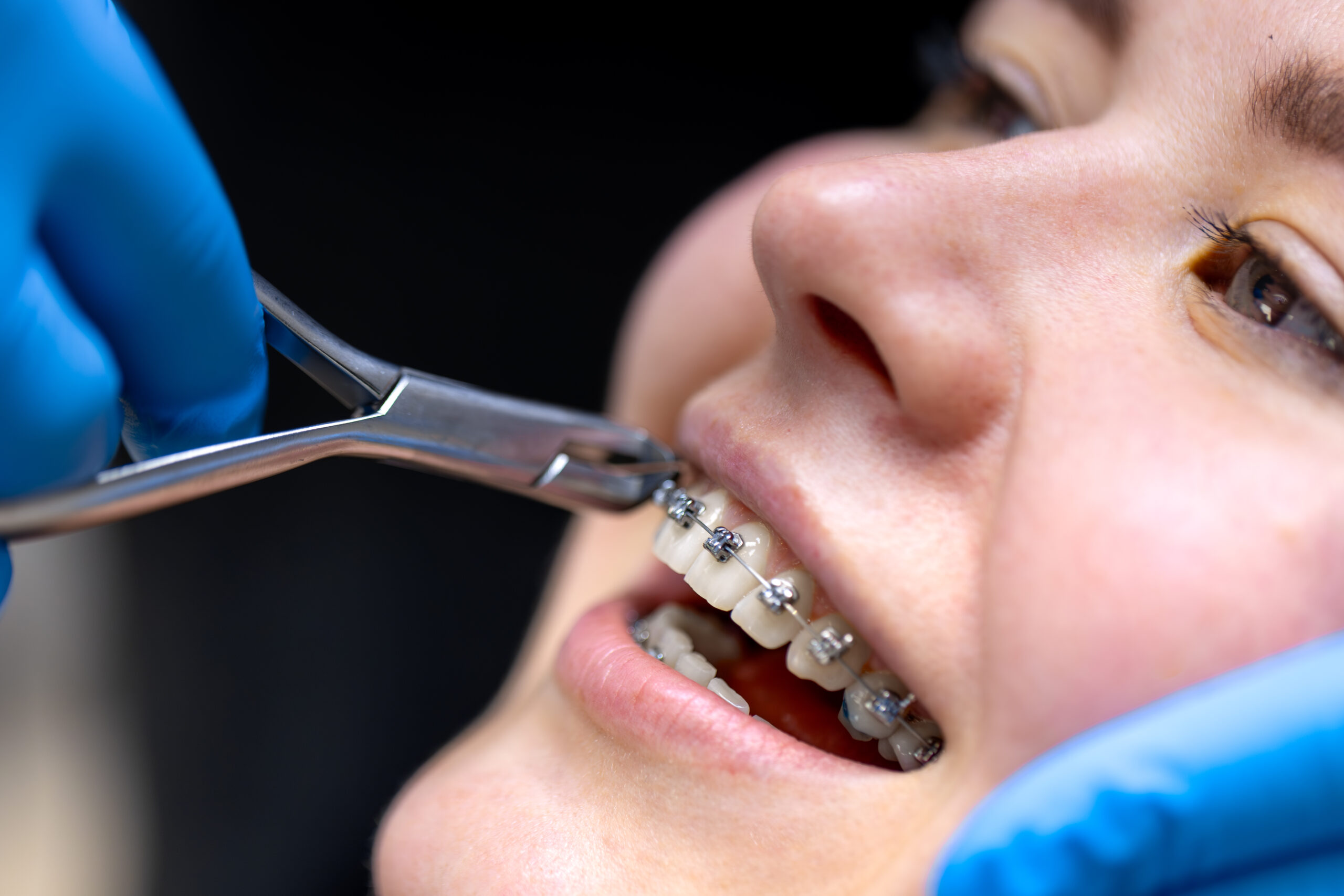
Thinking about braces or other ways to straighten your teeth? A common question is, “When is the right time to start?” Visiting a dentist near you for a first check-up can give you a clear answer for your needs. The length of treatment depends on the type of correction you need, your age, and your overall oral health.
If you’re looking into orthodontics in North York, understanding typical timelines and what affects treatment can help you plan for a healthy, straight smile.
Factors That Affect Orthodontic Treatment Duration
Orthodontic treatment duration varies for everyone. Several factors determine how long braces or aligners will need to stay in place:
- Severity of Misalignment: Small gaps or crowding take less time to fix, but bigger bite problems take longer.
- Patient age: Kids and teens usually see faster results because their teeth are still growing, while adults may take more time.
- Type of braces or aligners: Metal braces, clear braces, and clear aligners move teeth at different speeds.
- Following instructions: Wearing braces or aligners as told, using elastics, and going to check-ups can make treatment faster.
- Oral health: Healthy gums and strong bones help teeth move better, while problems like gum disease can slow things down.
Knowing factors helps you understand how long your orthodontic treatment might take.
Typical Duration for Braces
Braces usually take 18–24 months. Minor problems can be fixed in about 12 months, while bigger issues may take up to 36 months.
Typical timelines:
- Mild crowding or spacing: 12–18 months
- Moderate bite correction: 18–24 months
- Significant misalignment or bite issues: 24–36 months
Your orthodontist will make a plan just for you after checking your teeth, jaw, and bite.
Clear Aligners vs. Traditional Braces
Today, you don’t always need metal braces. Clear aligners are a popular option. They can sometimes work faster, but you need to wear them as instructed and be consistent.
Comparison:
| Factors | Traditional Braces | Clear Aligners |
| Visibility | Visible | Nearly invisible |
| Adjustments | Monthly appointments | Every 1–2 weeks per tray |
| Duration | 18–36 months | 12–24 months (varies) |
| Compliance | Less dependent | Must be worn 20–22 hours/day |
| Comfort | May cause minor irritation | Smooth, removable trays |
Both methods are effective, but your dentist can help decide which approach suits your lifestyle and treatment goals.
Steps in the Orthodontic Process
Knowing what to expect at every step helps you anticipate how long treatment will take.
- Initial Consultation: The dentist near you examines your teeth and develops your treatment plan.
- Impressions and Imaging: Digital scans or moulds give the template for braces or aligners.
- Appliance Placement: Your bracket, wire or tray will be placed on your teeth.
- Regular Adjustments: Frequent visits ensure teeth move as planned.
- Retention Phase: After braces are removed, retainers keep teeth in their new position, preventing relapse.
Each stage is essential for achieving the best results in the shortest safe timeframe.
Tips to Shorten Orthodontic Treatment
Although your dentist suggests a timeline, you can adopt habits to make the most of it.
- Be present at every appointment fixed for you to adjust.
- Wear your elastic or brace parts as your dentist tells you.
- Avoid hard or sticky foods that can break your braces.
- Keeping your mouth healthy and preventing cavities or gum disease can delay your treatment.
- If something is bothering you, let your orthodontist know.
Consistent care can shorten your orthodontic treatment duration to the lower end of the average timeline.
Start Your Orthodontic Journey!
In orthodontic treatment, you need to wait but yield results. Considering factors such as severity, appliance type, and compliance allows you to estimate the duration of your orthodontic treatment.
At Dentistry on Bayview, we will help you with the orthodontic treatment best suited to your needs. You are welcome to consult with us today to determine the best course of therapy for your smile!
FAQs
How long do braces take?
Most patients wear braces for about 18–24 months on average. However, the exact timeline depends on the complexity of your dental issues, the type of braces or aligners used, and your age. Minor teeth adjustments may take less than a year, while more severe cases or bite corrections can take 2–3 years.
Can adults get braces?
Yes! Adults can still straighten their teeth. Teeth may move a bit slower than in kids, but the results can be excellent. Modern options like clear aligners make treatment easier and less noticeable.
Do I need retainers after braces?
Yes, retainers are essential after braces. They help keep your teeth in their new position and prevent them from shifting back over time. Retainers may need to be worn full-time initially, then only at night, as recommended by your dentist, to maintain long-term results.
How often will I visit the dentist?
You usually go every 4–8 weeks, depending on your treatment. At each visit, the dentist adjusts your braces or gives you new aligners. Regular check-ups help your teeth move correctly and keep treatment on track.