
Tooth Extractions Near You
Dentists do everything they can to repair your teeth, regardless of the damage they’ve incurred. But sometimes, that isn’t possible, and the tooth should be removed. Doing so can promote your oral health and help prevent more serious problems. At Dentistry on Bayview, we offer multiple means of restorative dentistry, including tooth extractions in North York. Speak with our local dentist if you’d like to gather more information about this service.
What Is Tooth Extractions?
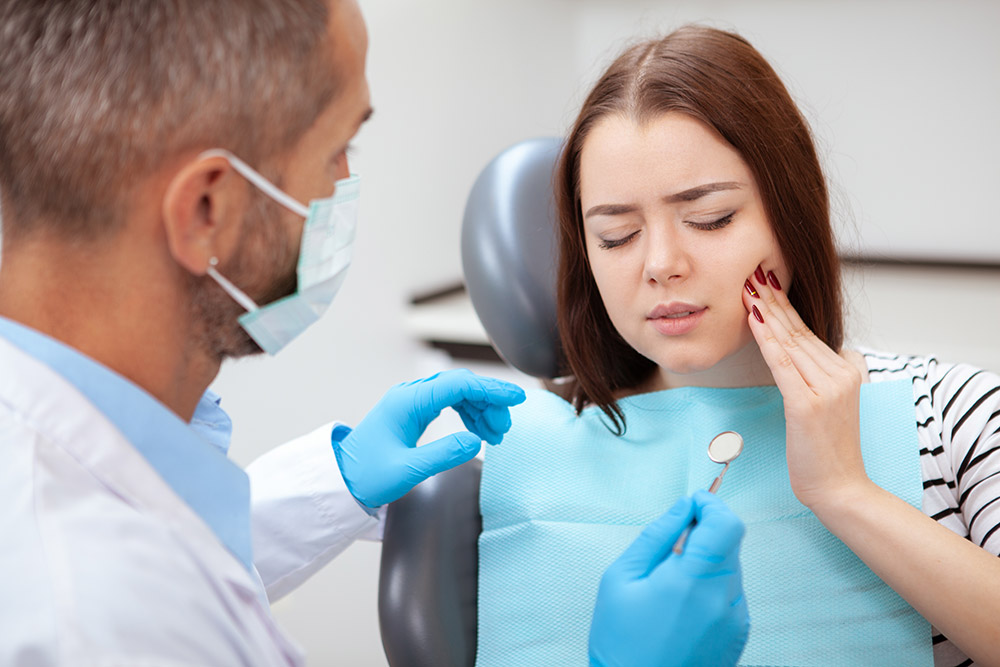
A tooth extraction involves carefully separating an unhealthy tooth from its socket. This process can be simplistic or complex, meaning that surgical measures are needed. General dentists are qualified and capable of conducting a simple extraction; however, if more advanced treatment is needed, patients will be referred to an oral surgeon. The most common example of a complex extraction is the removal of wisdom teeth.
Reasons for Extraction
There are many different reasons why tooth extractions in North York is necessary; common instances include the following:
- Impacted teeth
- Abscesses (a sac filled with pus)
- Severely fractured teeth
- Getting ready for orthodontic treatment
- Overcrowding
- Advanced gum disease
- Decay
- Failed root canal therapy
If you’re experiencing any of these dental issues, acute pain, or bleeding, it is crucial to reach out to a nearest north York dental clinic. They can inspect your smile and determine the most appropriate solution for your case.
How the Treatment is Done
Upon being approved for this treatment, your nearby dentist will give you local anesthesia to numb the area around the extraction site and keep you comfortable. Next, depending on your needs, your tooth will either be loosed and then easily extracted, or your dentist will gently clear any debris around the tooth and then make a small incision in the gum tissues. Once this is done, the tooth will be taken out.
When the socket is vacant, your dentist will close it with stitches. A small wad of gauze will be placed over the site to control bleeding. You’ll be given aftercare instructions before you go; this typically entails taking over-the-counter medications like Advil or Tylenol to manage pain, eating soft foods, and coming in for routine checkups.
Make sure to seek urgent care if you begin experiencing discomfort or other challenges.
Need Professional Dental Care?
Contact our neighbourhood dental practice if you’re looking for trustworthy restorative dentistry. Our team is happy to help you book a consultation to assess your smile and discuss your needs and goals. We will let you know if you’re a suitable candidate for tooth extractions near you or if an alternative is more fitting.
Call or come in and see us today!