

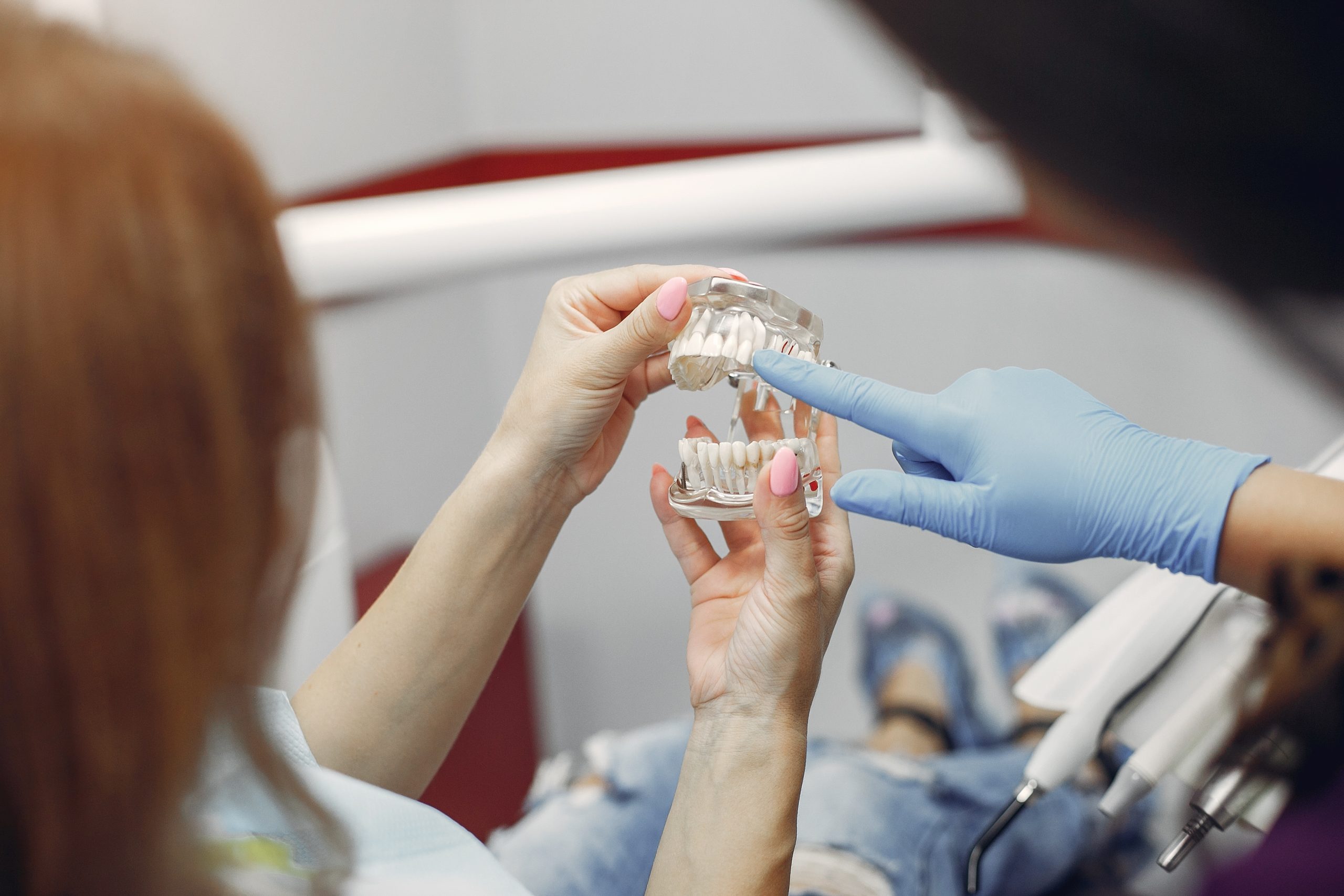
Getting your braces off or finishing your clear aligner treatment is a huge milestone that deserves a celebration. However, the work of keeping your teeth straight is just beginning, and that is where a retainer comes into play. These devices are essential because teeth have a natural memory and will try to shift back to their old, crooked positions if they aren’t held in place.
Finding a helpful dentist near you is the best way to determine which type of device will work best for your daily routine. Since everyone has different habits, picking a tool that fits your life ensures you actually use it and keep your smile looking perfect for years.
What are the different types of retainers?
There are two main categories of retainers used today: fixed and removable. A fixed version is a thin wire glued to the back of your teeth, while a removable one is a piece of plastic or wire that you can take out when you eat or brush. Both are designed to do the exact same job, but they feel very different in your mouth.
When you start looking for retainers in North York, you will likely have a choice between these two. Some people even choose a combination, using a fixed wire on the bottom teeth and a removable tray for the top. Your dental professional will look at how your teeth were moved to give you the best advice on which one will keep them stable.
The benefits of fixed retainers
A fixed retainer, often called a permanent wire, is a popular choice for people who don’t want to worry about forgetting their gear. It is bonded to the tongue side of your front teeth, making it completely invisible to everyone else. Because it stays in place 24 hours a day, it provides constant support.
One of the biggest perks of looking into retainers near you that are fixed is the “set it and forget it” nature of the device. You never have to worry about losing it at a restaurant or forgetting to pack it for a vacation. However, they do require a little extra effort when you floss, as you have to thread the floss under the wire to keep your gums healthy.
The flexibility of removable retainers
Removable retainers come in two main styles: the traditional “Hawley” retainer made of metal wire and acrylic and the clear plastic “Essix” style that looks like a clear aligner. These are great because they allow you to eat and clean your teeth without anything getting in the way.
The main challenge with these is the human element. You have to be disciplined enough to wear them exactly as instructed, usually every night. If you leave them out for too long, your teeth can move surprisingly quickly. They are also easy to lose if you wrap them in a napkin during lunch, which is why they should always go straight into their protective case.
Comparison of the two styles:
- Fixed: Best for people who are forgetful or have a high risk of teeth shifting.
- Removable: Best for people with great oral hygiene who want to floss easily.
- Fixed: Cannot be lost but can break if you bite something very hard.
- Removable: Very comfortable, but can be misplaced or stepped on.
Dealing with a retainer that feels tight
It is very common for a retainer to feel a bit snug if you haven’t worn it for a day or two. This is a sign that your teeth have already started to move. Usually, wearing it for a few extra hours will help move the teeth back into the correct spot. However, if it has been weeks or months, the device might not go back in at all.
Many patients ask, “What should I do if my retainer no longer fits?” If they find it sitting in a drawer after a long break. You should never force a retainer onto your teeth if it is causing significant pain, as this can damage the roots. The best move is to call your dental office right away for an adjustment or a new mould before your teeth move any further.
Managing the cost of replacements
Life happens, and sometimes a dog chews up a plastic tray or a fixed wire comes loose after many years of service. It is important to fix these issues quickly so you don’t lose the progress you made with your braces. Being prepared for these moments helps you stay on track with your dental health.
You might find yourself wondering how much does a replacement retainer cost when you need a new one. The price usually depends on whether you need a single arch or a full set, and whether you choose the clear plastic or the durable metal wire. While there is a cost involved, it is much less expensive than having to pay for braces a second time because your teeth shifted back.
Keeping your device clean and safe
Your enamel will be protected by your retainer as long as it stays clean, whether glued in or removable. Fixed wires require the use of a floss threader to remove plaque behind the teeth. When you remove them, make sure to brush them with a soft toothbrush and cool water for the removable ones.
Never use hot water, as this can warp the plastic and ruin the fit. There are also special cleaning tablets you can use to soak your retainer to keep it smelling fresh and free of bacteria. Treating your retainer with care will help it last for many years, saving you money and keeping your smile straight.
| Feature | Fixed Retainer | Removable Retainer |
| Visibility | Completely hidden | Mostly clear or thin wire |
| Cleaning | Needs floss threaders | Brushed outside the mouth |
| Convenience | Always working | Must remember to wear |
| Durability | Lasts many years | Can wear out or crack |
Protecting the Investment in Your Smile
A straight smile is an investment in your confidence and your health. Choosing the right retainer is the final step in making sure that investment lasts for the rest of your life. Whether you prefer the invisible support of a fixed wire or the convenience of a removable tray, the most important thing is that you follow the plan created by your dental team. Consistency is the secret to a smile that never fades.
At Dentistry on Bayview, we love helping our patients keep their results nice and perfect for a long time. Each lifestyle is different; that’s why we listen to you. We will recommend the best retainer for you after we listen to your needs. We create a welcoming, professional environment that enables you to ask any questions you have about your care.
We are always here for you, whether you require a new retainer or simply a check-up to ensure your teeth are remaining in their new position.
FAQs:
1. How many hours a day do I need to wear a removable retainer?
Most dentists suggest wearing it full-time for the first few months after braces. After that, you usually only need to wear it while you sleep. Your provider will give you a specific schedule based on how much your teeth were moved.
2. Can a fixed retainer ever be removed?
Yes, if you decide you no longer want a fixed wire, a dentist can safely remove the bonding material and the wire. However, you will need to switch to a removable version immediately to prevent your teeth from moving back to their old spots.
3. Is it normal for my speech to change with a retainer?
When you first get a removable retainer, you might have a slight lisp for a day or two. This is just your tongue learning how to move around the plastic. The more you talk, the faster your speech will return to normal.
4. How often should I replace my removable retainer?
Clear plastic retainers generally last about 6 months to 2 years, depending on how well you clean them and if you grind your teeth at night. If you notice cracks, yellowing, or a loose fit, it is time to get a fresh one made.