
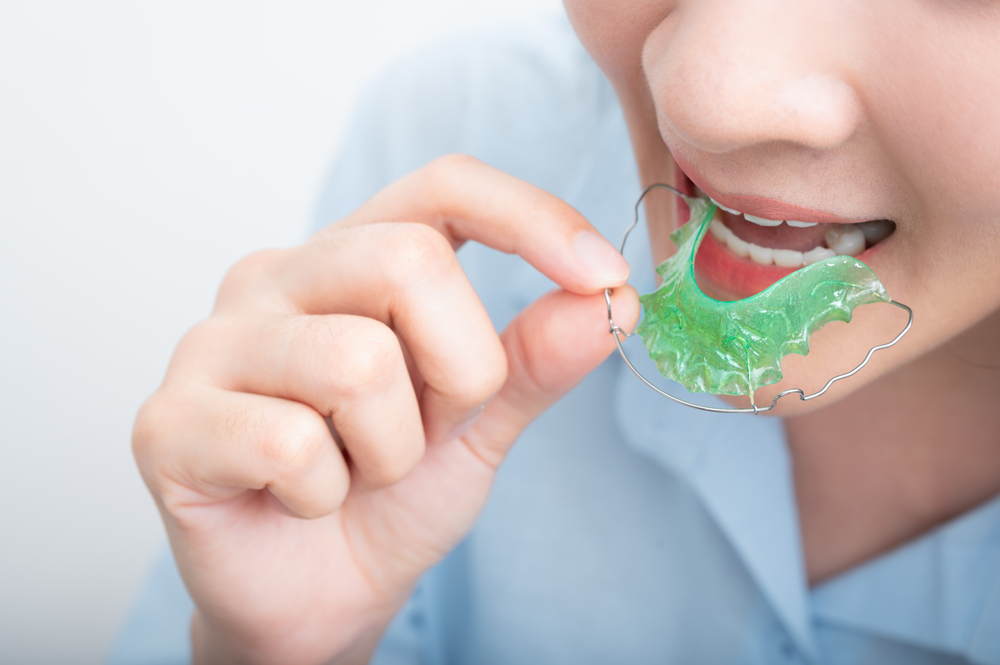
If you wear retainers, you already know how important they are for keeping your teeth straight. But here is something many people forget — your retainer needs just as much care as your teeth do, and a dental clinic near you can guide the right cleaning routine.
When you skip cleaning your retainer, plaque (a sticky film full of bacteria) builds up on it. That same plaque then sits against your teeth and gums all day or night. Over time, this can lead to gum inflammation, also called gingivitis, which causes your gums to become red, swollen, and sore.
The good news? Keeping your retainer clean is not hard. You need to know the right steps.
Why Does a Dirty Retainer Cause Problems?
Your mouth is full of bacteria. That is totally normal. But when bacteria sit on your retainer for too long without being cleaned off, they form dental plaque. This plaque hardens into something called calculus (tartar) if it is not removed.
When you put a plaque-covered retainer back in your mouth, those bacteria come into direct contact with your gingival tissue (your gums). This leads to:
- Gum inflammation
- Bad breath (also called halitosis)
- A higher risk of tooth decay
- In some cases, even periodontal disease (gum disease that goes deeper)
How to Clean Your Retainer Step by Step
Step 1 — Rinse Right Away
Every time you take your retainer out, rinse it with cool or lukewarm water right away. This removes fresh saliva and loose debris before it has a chance to dry and harden. Do not use hot water — it can warp the plastic material of your retainer. If you are looking for proper care guidance or replacement options, retainers in North York are available through dental professionals who can help maintain fit and hygiene.
Step 2 — Brush It Gently Every Day
Use a soft-bristled toothbrush (not the one you use for your teeth) and a small amount of non-whitening toothpaste or plain liquid soap. Gently brush all surfaces of the retainer. Get into the grooves and ridges where plaque likes to hide.
Step 3 — Soak It Regularly
Soak your retainer in a denture cleaning solution or a retainer-specific cleaning tablet dissolved in water at least once a week. This helps kill or eliminate bacteria that brushing alone might miss.
You can also soak it in a mixture of equal parts white vinegar and warm water for about 15 to 30 minutes. After soaking, rinse it well before putting it back in your mouth.
Step 4 — Store It Properly
When your retainer is not in your mouth, keep it in a clean, protective case. If it is left on a table or counter, germs and dust from the air can land on it easily. It may also dry out, which can lead to small cracks or weakening of the material. Storing it the right way helps to keep the retainer safe and supports good oral health.
What You Should Never Do
- Never boil your retainer or put it in the dishwasher
- Avoid alcohol-based mouthwash — it dries out the plastic
- Do not use bleach or harsh chemicals
- Never wrap it in a napkin (it often ends up in the trash)
When Should You See a Dentist?
If your retainer smells bad even after cleaning, looks discoloured, feels rough, or no longer fits properly, visit a dental clinic near you. A dental professional can inspect it, deep-clean it with ultrasonic tools, or advise you on replacement.
Also, if you notice your gums bleeding, feeling tender, or looking puffy, that’s an early sign of gingival inflammation. Do not wait. Book an appointment at a dental clinic near you and get it checked.
Can I Get a New Retainer Without My Original Moulds?
Yes, in most cases you can. Many modern dental clinics use digital scanning technology (intraoral scanning) to take a new impression of your teeth without needing your old moulds. So even if your retainer is lost, broken, or worn out, a North York dentist can make you a new one. Just search for retainers near you and book a consultation — it is a simple process.
Final Thoughts
Your retainer works hard to protect your smile. Cleaning it every single day takes less than 2 minutes, but it protects you from plaque, gum inflammation, and more serious dental problems down the road. Make it a habit — just like brushing and flossing. If you need help with fitting, cleaning advice, or replacement, retainers are available through a dental clinic for proper care and regular checkups.
Call Us Today
Maintain straight teeth with retainers after orthodontic treatment to prevent teeth from shifting back. Dentistry on Bayview provide custom retainers that support long-term tooth alignment and help maintain proper bite function. Regular dental checks are important to monitor retainer fit and oral health. Visit Dentistry on Bayview today for retainer care and fitting. Book you appointment today!
FAQs
How often should a retainer be cleaned?
A retainer should be cleaned every single day — ideally every time it comes out of the mouth. Daily cleaning prevents plaque buildup and bacterial growth, which can lead to gingivitis and bad breath.
Is it safe to use toothpaste to clean a retainer?
A mild, non-whitening toothpaste is generally safe for cleaning retainers. Whitening toothpastes contain abrasive particles that can scratch the surface of the retainer, creating tiny grooves where bacteria can hide and grow even faster.
What happens if a retainer is not cleaned for a long time?
If a retainer goes uncleaned for a long time, dental calculus (hardened tartar) can form on its surface. This cannot be removed by brushing alone. The retainer starts to smell, fits poorly, and exposes the teeth and gums to harmful bacteria. At that point, a visit to a dental clinic for professional cleaning or retainer replacement is usually necessary.