
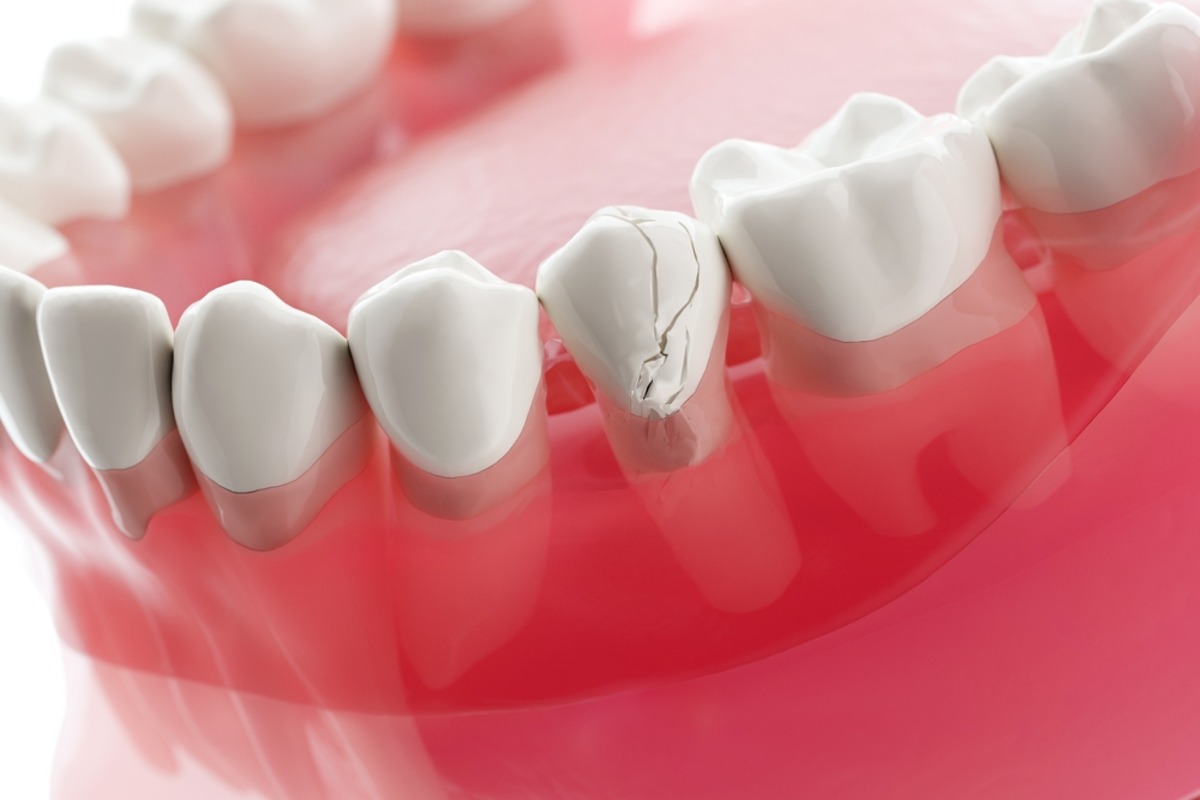
A cracked tooth can cause sharp pain when biting, sensitivity to temperature changes, or discomfort that comes and goes. Even when symptoms seem manageable, a significant crack may weaken the tooth and worsen under continued chewing pressure. Dental crowns in North York, ON can help protect the remaining tooth structure and restore function depending on the location and severity of the damage.
However, a crown is not suitable for every cracked tooth. Treatment depends on how far the crack extends, whether the inner pulp is affected, and how much healthy tooth structure remains. A proper assessment helps determine whether a crown can provide reliable protection or whether another treatment is needed.
What a Crown Can and Cannot Do
A dental crown covers the visible portion of a tooth, helping protect weakened areas and distribute chewing forces. It may be recommended when a crack affects a tooth’s cusp or when a large filling has left the tooth vulnerable to further damage.
However, a crown cannot guarantee that a crack will stop progressing. If the fracture extends deeply below the gumline or into the root, the tooth’s long-term outlook may be less predictable. Additional treatment may also be necessary if the pulp is irreversibly inflamed or infected.
Visiting a dental clinic near you for an assessment can be an important step toward protecting your oral health and relieving discomfort.
When a Crown May Be Recommended
A crown may be appropriate when a crack has weakened the tooth, but enough healthy structure remains to support the restoration. It can also protect a tooth after root canal treatment when substantial structural damage makes additional coverage necessary.
Not every crack requires a crown. Minor enamel lines may need no restorative treatment, while some teeth can be protected with a filling or an onlay. The goal is to choose an option that addresses the damage without removing more healthy tooth structure than necessary.
How the Tooth Is Assessed
A thorough assessment helps determine the crack’s extent and whether the tooth can be restored. It may involve:
- Symptoms and Bite: Pain when biting or releasing pressure can provide useful clues about the affected tooth.
- Visual Examination: Good lighting and magnification may help reveal cracks that are difficult to see.
- Dental Imaging: X-rays can identify decay, bone changes, and other concerns, although fine cracks may not appear clearly.
- Gum Assessment: A deep, narrow pocket beside the tooth may raise concern about a fracture extending below the gumline.
- Dental History: Previous fillings, grinding habits, and past injuries can help explain why the tooth has weakened.
No single symptom or test can always establish the full extent of a crack. Findings must be considered together to guide treatment planning.
Assessing a Severely Cracked Tooth
When a crack is extensive, determining whether the tooth remains restorable is particularly important. A fracture that reaches the pulp does not automatically mean the tooth must be removed. If the tooth can still be restored, root canal treatment followed by a crown may be considered when the pulp is irreversibly inflamed or infected.
A dentist in North York, ON can explain the findings, discuss the likely prognosis, and outline suitable options. Depending on the crack’s location and extent, specialist assessment or extraction may also need to be considered.
What to Do Before the Assessment
Arrange a dental appointment promptly if you suspect a significant crack. Until the tooth has been examined:
- Chew on the opposite side when possible.
- Avoid hard, sticky, or crunchy foods that could worsen the damage.
- Brush gently to keep the area clean.
- Do not repeatedly bite down to test whether the tooth still hurts.
Seek prompt dental care if pain increases, interferes with sleep, or comes with swelling or fever. Facial swelling accompanied by difficulty breathing or swallowing requires emergency medical attention.
Alternatives and Ongoing Care
Treatment options may include a filling, an onlay, a crown, root canal treatment with a suitable restoration, specialist care, or extraction. Each option has different benefits and limitations, so the recommendation should reflect the tooth’s condition and the likelihood of a successful outcome.
After treatment, follow the recommended review schedule and maintain good oral hygiene. If grinding or clenching contributes to repeated damage, a professionally recommended night guard may help reduce excessive forces on the teeth.
Protect Your Tooth by Acting Early
A significant crack can become more difficult to manage if it continues to extend under chewing pressure. Having the tooth assessed early can clarify whether a crown is appropriate and help you understand the alternatives before deciding on treatment.
Book a consultation with Dentistry on Bayview to have your cracked tooth assessed and discuss the most appropriate next steps.
FAQs
Can a crown fix a tooth with a large crack?
A crown may protect a significantly weakened tooth when enough healthy structure remains to support it. However, suitability depends on the crack’s depth and direction, the condition of the pulp, and the tooth’s overall restorability. An examination is needed to determine whether a crown is appropriate.
When does a cracked tooth need a crown?
A crown may be recommended when a crack or large filling has weakened the tooth enough to require additional coverage. Minor enamel cracks may not need a crown, while some teeth can be treated with a filling or onlay.
Is a crown suitable for a severely cracked tooth?
It can be, depending on the fracture. Some extensive cracks can still be treated, while others compromise the tooth’s ability to support a restoration. The location and extent of the damage help determine the likely outcome.
Can a crown fix a crack that reaches the root?
Not every crack extending into the root can be restored predictably. Some cases may warrant specialist evaluation, while others may require extraction. The specific fracture pattern, surrounding tissues, and remaining tooth structure all influence the treatment decision.
Should I avoid chewing on a cracked tooth?
Yes. Avoid hard or sticky foods and minimize pressure on the affected tooth until it has been assessed. Continued chewing may worsen the damage. Seek prompt dental advice, particularly if pain increases or swelling develops.