

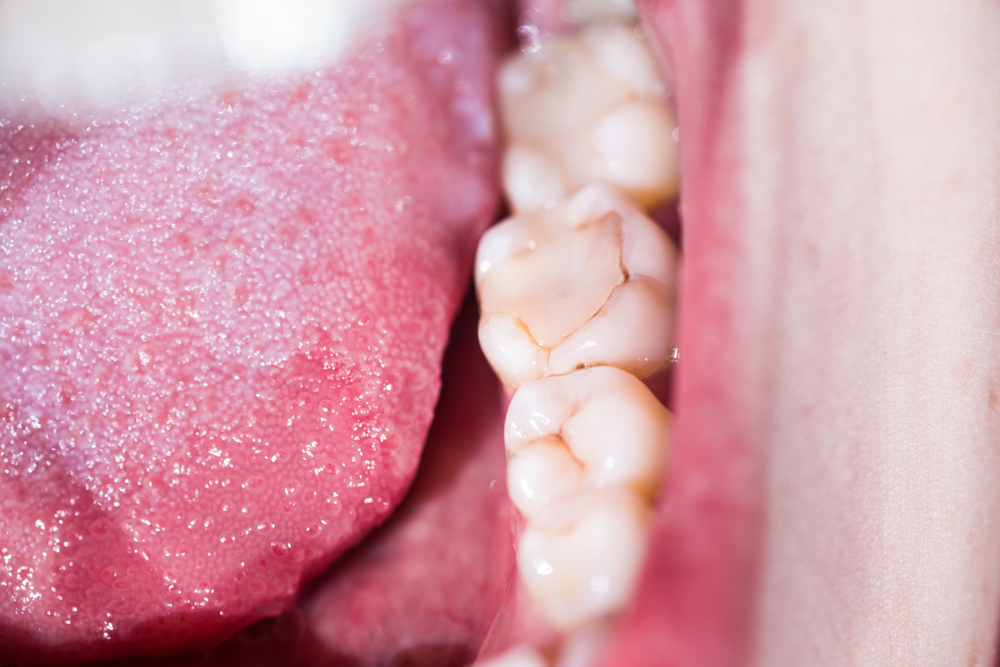
Do you have a small cavity, chip, or tooth sensitivity? Dental problems can start small but may become bigger if ignored. A dentist in North Yorkcan provide a dental filling to stop decay, restore your tooth, and prevent more damage. Seeing a dentist early ensures the right treatment and keeps your teeth healthy for the long term.
Regular dental care and early intervention play a key role. Consulting a dentist can help you understand whether a filling is necessary, how it works, and which type suits your tooth best.
What Are Dental Fillings and Why Are They Important?
Dental fillings are materials used to restore teeth affected by decay or minor damage. They act as a barrier, protecting the inner layers of your tooth from bacteria and preventing cavities from worsening.
Key benefits of dental fillings near you:
- Stops tooth decay from spreading
- Restores normal chewing and biting function
- Reduces sensitivity to hot, cold, or sweet foods
- Strengthens weakened areas of the tooth
By getting a filling early, you reduce the risk of needing more complex treatments like crowns or root canal therapy.
The Dental Filling Process: What to Expect
Getting a dental filling is a simple procedure:
- The dentist may examine the tooth and take an X-ray to determine if any decay is present.
- The region gets numbed with local anesthesia.
- They also carefully remove the tooth’s decayed portion.
- A special light is used (for composites) to apply, shape and cure the filling material.
- The dentist checks your bite and adjusts it if needed to ensure comfort.
Most patients notice minimal discomfort, and normal eating and chewing can resume soon after the procedure.
What Types of Dental Fillings Are Available?
The type of dental filling and its use are determined by the site and size of the cavity, the desired appearance, and the method of placement.
- Composite Fillings: Get tooth-colored and ideal fillings for your front teeth so that they blend in with your smile.
- Amalgam Fillings: Silver-coloured fillings are strong and durable and are often used for molars that chew heavily.
- Ceramic Fillings: Fillings crafted from porcelain, which are very stain-resistant, are suitable for larger cavities.
- Glass Ionomer fillings: Release fluoride, which may help prevent further decay. It is best for small cavities or children’s teeth.
A dentist near you can recommend the best option based on your tooth’s condition, appearance preference, and durability needs.
Are Dental Fillings Effective Long-Term?
Many people ask, Do dental fillings last a long time? The answer depends on the type of filling, how well you take care of your teeth, and regular dental visits.
- Composite and ceramic fillings usually last 5–10 years with good care.
- Amalgam fillings can last 10–15 years because they are very strong.
Brushing, flossing, and regular checkups help keep fillings in good shape. Even though fillings can wear down over time, they greatly reduce the chance of tooth breaks and further decay.
Signs You Might Need a Dental Filling
Recognizing early symptoms can prevent further damage. Some signs include:
- Tooth sensitivity to hot, cold, or sweet foods
- Visible holes or pits in your teeth
- Dark spots or discoloration on the tooth surface
- Mild tooth pain or discomfort while chewing
Consulting a dental clinic near you ensures that decay is treated promptly, saving both your teeth and money.
How to Care for Your Dental Fillings
Caring for your fillings ensures they last longer and continue protecting your teeth:
- Brush twice daily with fluoride toothpaste.
- Floss daily to remove plaque between teeth
- Avoid biting hard objects like ice or pens.
- Visit your dentist regularly for checkups and professional cleanings.
Proper care helps maintain the integrity of the filling and prevents secondary decay.
Benefits of Dental Fillings
Prevent the tooth from decaying and becoming infected.
- Save natural tooth structure and function.
- Minimize the necessity for more intrusive methods.
- Improve assurance and comfort in speaking.
- Having cavities filled not only restores the tooth to normal functionality but also prevents further damage.
Keep Your Smile Strong – Book Today!
Early detection and treatment make all the difference in keeping your teeth healthy. If you notice any signs of decay, sensitivity, or discomfort, take action now. Book an appointment with Dentistry on Bayview today to explore the best dental filling options, prevent further damage, and enjoy a strong, confident smile for years to come.
FAQs
Can dental fillings fall out?
Rarely. Properly placed fillings can last many years, but damage or decay around the filling may require replacement.
Do dental fillings change tooth colour?
Composite fillings are designed to match your tooth, while amalgam may be visible but is very durable.
Are dental fillings safe?
Yes. Dental materials are tested for safety, and your dentist ensures the procedure is effective and comfortable.
Can I eat immediately after a dental filling?
Yes, once numbness wears off. Hard foods should be avoided for a few hours, especially with new fillings.